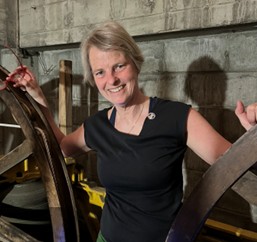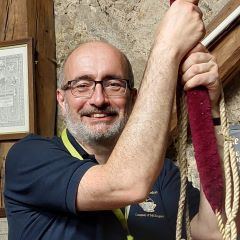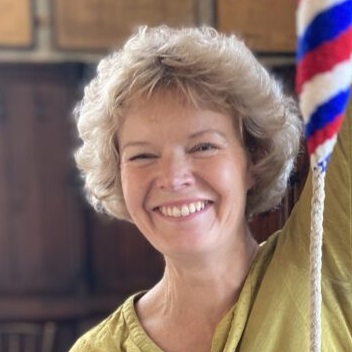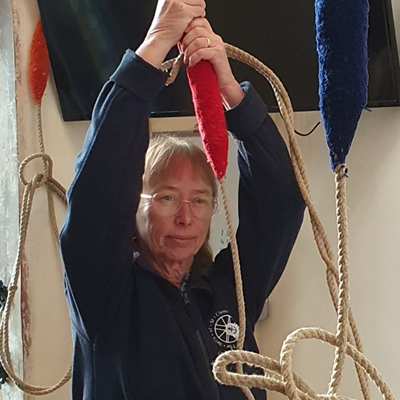
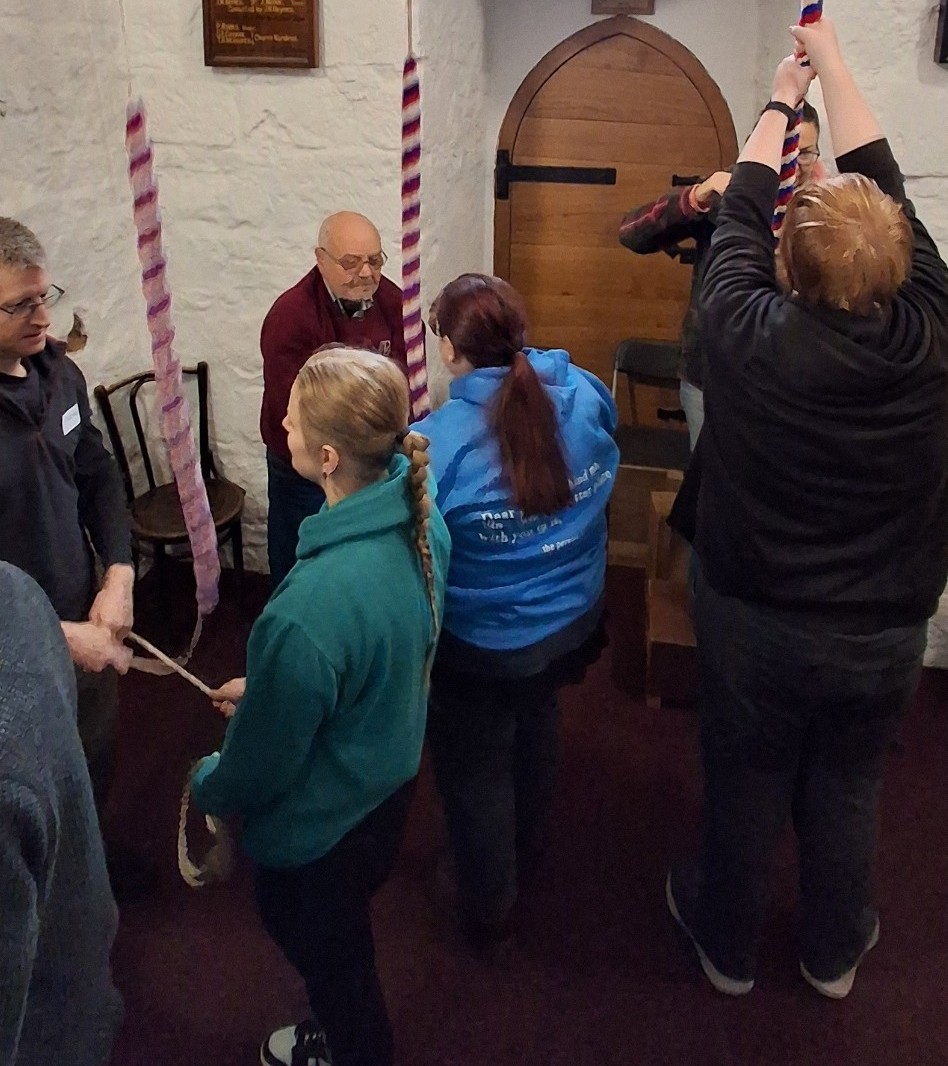
I recently attended the ART M1 course held in Pattishall. After a warm welcome and introductions we got to the important bit: who would be prepared to write a brief report on the course? Any volunteers? As usual in these circumstances this was met with silence and averted gazes; I was the first to crack! What sort of report do you want I asked – something personal I was told, a ‘how was it for you’ type of thing. So here goes:
I have been ringing for over 60 years and for 50 of those have taught others how to handle a bell and make progress in this wonderful hobby we all share. When ART was founded in 2012 I didn’t feel tempted to get involved. However, I’m now in a position where I want to encourage others to take on a training role. We have many new(er) ringers in the Kettering branch and there are some more experienced ringers who have stepped up to help with newly formed bands but have not, as yet, taught handling. Years ago there wasn’t a teaching scheme or programme of learning but now that we have ART I thought it important that these helpers engaged with it. If I was to be their mentor, then I needed to do the course too.
What happened on the day was no surprise. I’ve used ART materials and, with a background in teaching and training myself, my approach is very much along the same lines as that being advocated. Our tutor, Neil, was enthusiastic, clear and encouraging. It’s not easy to work with a group of people with such varied experience but without question there was something for everyone. Neil emphasised that while ART provides standards and structure, these should be used alongside what suits us as teachers. The presentation was well prepared and served to reinforce the points Neil made. Practical activities were interspersed throughout the day ensuring that our attention was held. Every element was valuable.
What about the key ‘take-aways’? Here are a few that I will reinforce with my mentees and also use myself:
- Intensive training (lots of concentrated rope time) is key to early success
- Whole-part-whole approach: – move backwards and forwards between the whole skill and its smaller parts; this helps to build the bigger picture and allows for correcting errors
- Working as a triad (learner, teacher, observer) will help to pick up on errors
- Correct all errors as early as possible before they become ingrained
A couple of good phrases:
- Use ‘guide’ rather than ‘pull’ when talking about the tail end:- ‘Guide the tail end down’ this reduces the tendency for the novice to over pull
- ‘Split and coil’ with reference to ringing down and movement of the hands
I should also mention the training materials you come away with and the access you get to further ART materials on their website – an Aladdin’s cave in itself. And, last but not least, there was cake; thanks Cathy.
As they say these days ‘What’s not to like’!!