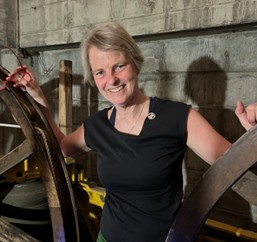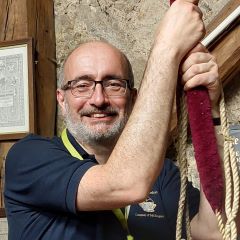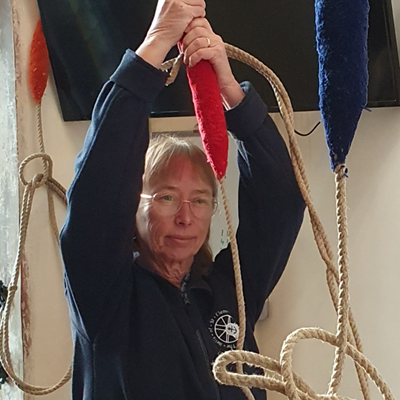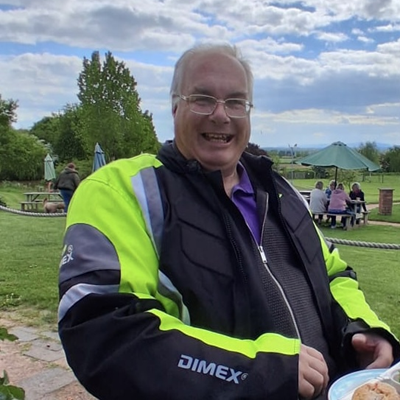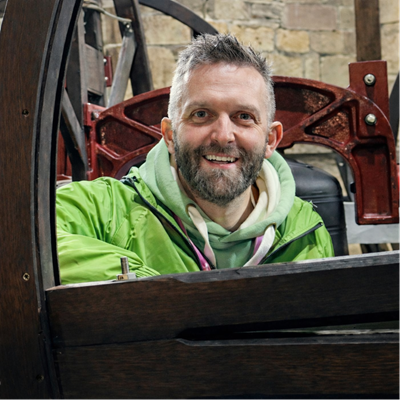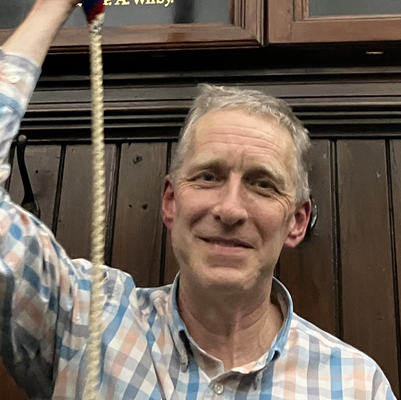
I was not a participant at this training, so was able to enjoy the day, and see how well it was received by the participants. They all seemed to enjoy it, and the “vibe” was very positive. This was all down to the “tone” set by the ART tutor. It was also a really good venue, nice bells, and a lovely church room in which to relax in between theory and practical sessions.
This was a well-planned and very well-run day, with a good mix of 3 slideshow sessions and 4 practical sessions. The ethos of the ART approach to the teaching of bell handling was well explained, as was the rationale for using this approach to teaching and learning. Having been taught myself the “ART way” it was interesting to review this system and approach from a teacher’s perspective. Certainly, the focus on the importance of good bell handling was something that resonated with me – and is a strength of this approach, in my opinion. Good – correct – bell handling is vital if one is to move on to ringing with others in the tower, and if one is to strike one’s bell in the correct place. It is the kernel of ringing. ART recognises this and places a strong emphasis on the teaching of these essential early skills.
There was a good range of planned Q & A sessions during the non-practical elements, but also useful ad hoc Q & A during the practical sessions, too. The modelling of each activity – each small element to be taught – was excellent. The pace of the day’s training was just about perfect, all with the focus on the rationale and approach to the teaching of bell handling the “ART way”. Breaking down the action into small actions, before putting these into a larger, more complex one. And all activities on the day were interspersed with well-timed, and well-prepared refreshment breaks. Thanks to Ed Officer for preparing such delicious cakes – and serving real coffee!
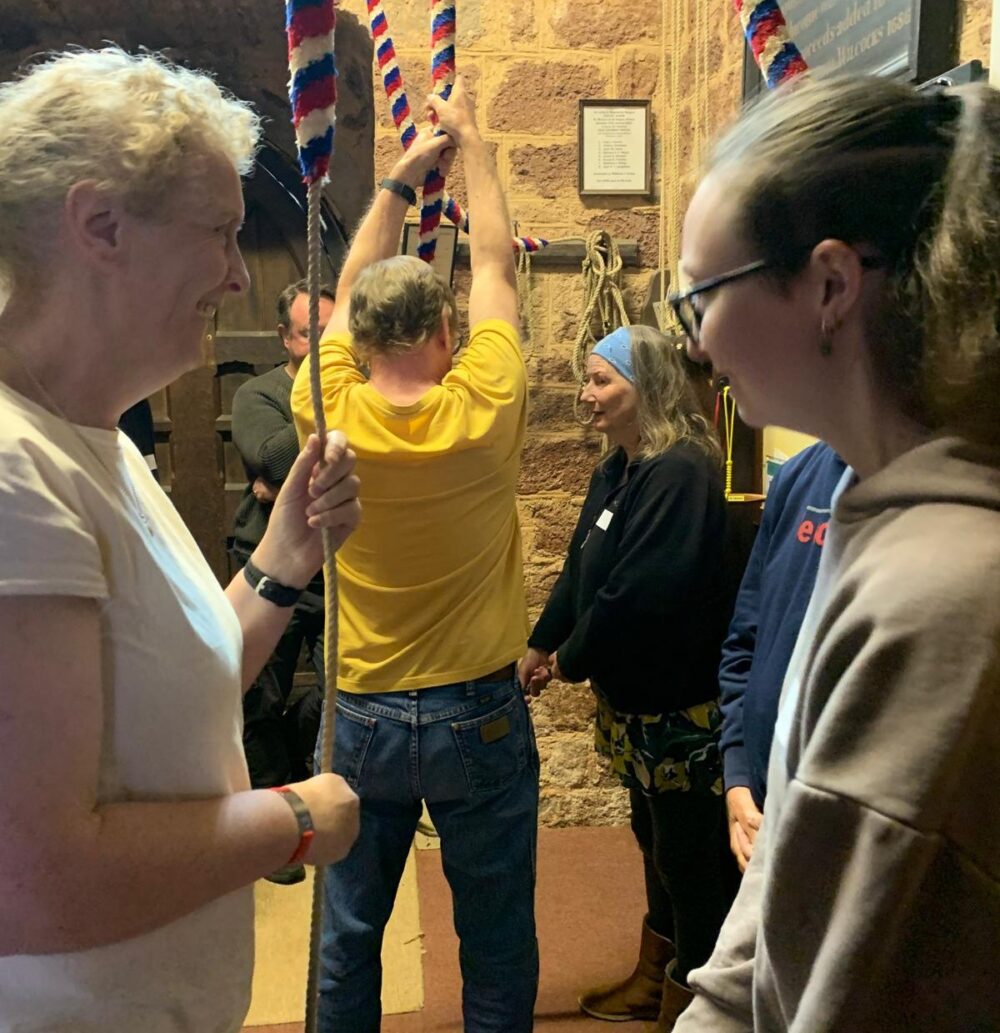
The practical sessions looked at the teaching of bell handling from the very first time a new ringer would catch hold, including how to catch a rope, how to stand, the hand positions, how to hold the tail, pulling down straight, introducing the backstroke, how to keep the learner’s hands returning to the “home position”, taking and releasing coils, ringing up a bell partway, feeling the balance, and much much more. All the participants on the course took it in turns to be the teacher and then the learner or were looking on and observing/commenting when not ringing or teaching. How best to support and scaffold the learner was clearly explained, with lots of great tips for the teacher.
The main focus of the whole day was the breaking down of what is essentially a very complex process into small, achievable chunks, repeating these chunks, and gradually building up the skill in the learner, until the whole process of ringing a bell well, with complete control, becomes second nature. Then, after much repetition, mastery of the act of ringing a bell (including raising and lowering) is ultimately achieved.
There were far too many tips and tricks for me to retain them all, or to recount here. Hopefully today’s participants – by putting into practice what they have done today, as soon as possible – will gain a great deal from today’s course. Which will greatly benefit their own learners. Three of today’s participants have decided to “buddy up” to do their teaching as a group. Which does seem like an excellent idea.
To summarise, today’s ART Level 1 course was most enjoyable, and a happy but purposeful atmosphere was achieved. The final practical session was good for “spot the problem” – and “how to fix it” – and the last two activities particular stuck with me. The first was how to take the tail end from a learner to regain control of things are going a bit “awry”.
The very last activity was to ring with the tail in your “wrong hand”, catching the sally with the “wrong” hand above the other hand (so, a right-handed ringer ringing as if left-handed, and vice-versa). This will then remind the teacher of just how a learner feels the first time they pull off a bell at hand and then ring it at backstroke. How “alien” it feels. Useful for putting a teacher in the learner’s place.